

If you’re considering Botox or have already scheduled your first appointment, you’re probably wondering how long the results will last. Most people find that their Botox treatments typically last between three and four months, though this timeline can vary based on several factors, including the treatment area, your metabolism, the dosage used, and how your individual body responds to the botulinum toxin.
Understanding what affects Botox duration helps you plan your appointments and budget accordingly. Some people notice their results fading after just two months, while others enjoy smooth, wrinkle-free skin for up to six months. The key is knowing what to expect and how to maximize your investment in cosmetic treatments.
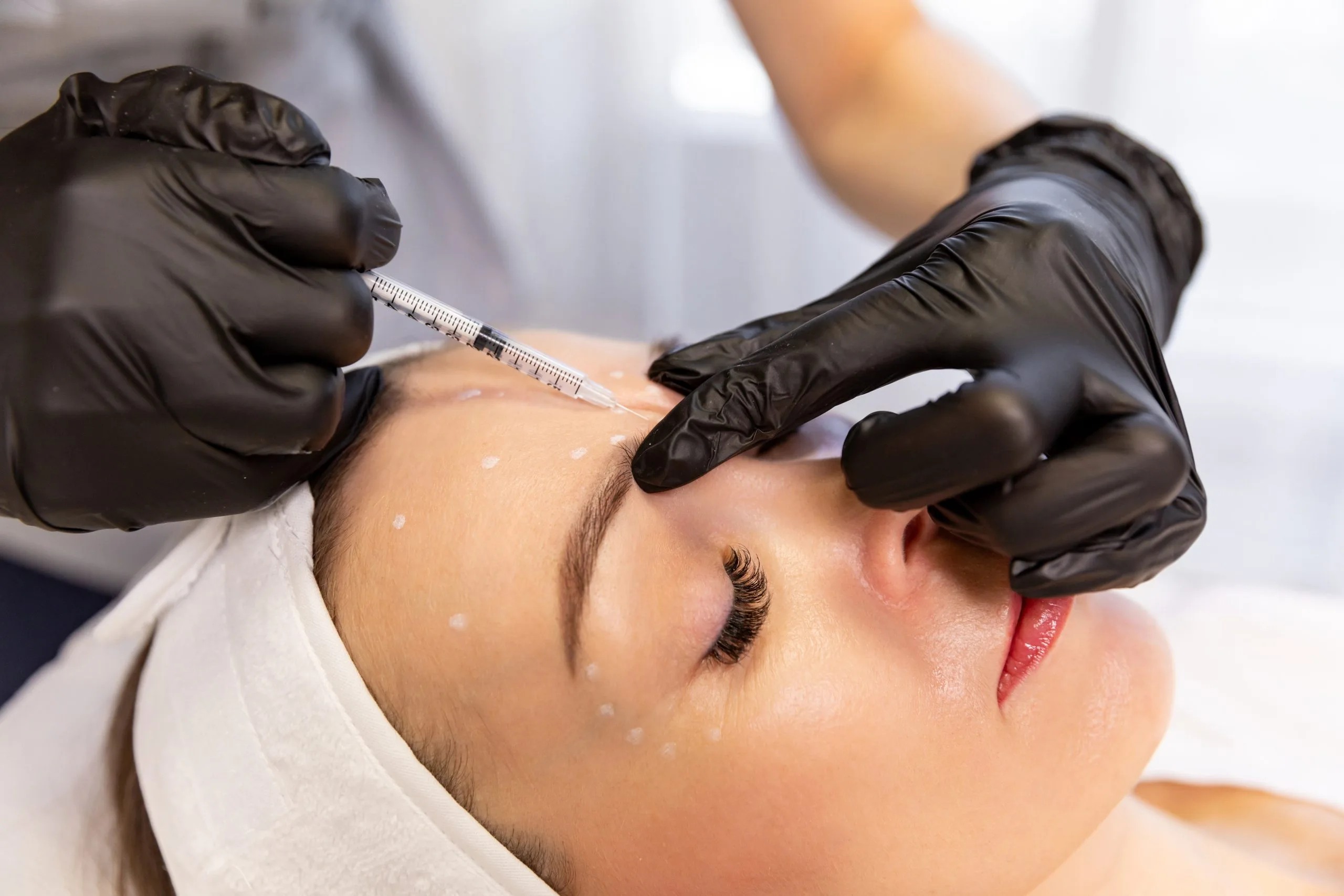
Botox works by temporarily blocking nerve signals to specific facial muscles, preventing them from contracting. When these muscles relax, the skin above them smooths out, reducing the appearance of wrinkles and fine lines. The procedure itself is relatively quick – most appointments take just 10-15 minutes – and involves a series of small injections into targeted areas.
Your practitioner will assess your facial anatomy and discuss your aesthetic goals before determining the appropriate injection sites and dosage. Common treatment areas include forehead lines, crow’s feet around the eyes, and frown lines between the eyebrows. The needles used are extremely fine, and most people describe the sensation as a slight pinch rather than significant pain.
Unlike dermal fillers that provide immediate volume, Botox requires a bit of patience. You won’t walk out of your appointment with instantly smooth skin. Here’s what the typical timeline looks like:
This is why many practitioners schedule follow-up appointments around the two-week point. If any areas need minor adjustments or “touch-ups,” this is the ideal time to address them. Some people respond faster than others, but the 14-day mark is considered the standard timeline for evaluating complete results.
While three to four months is the average, several factors influence how long your specific results will last.
Metabolism and Exercise: People with faster metabolisms tend to break down Botox more quickly. If you’re an athlete or exercise intensely several times per week, your body may metabolize the neurotoxin faster than someone with a more sedentary lifestyle. This doesn’t mean you should skip the gym – just be aware that you might need more frequent touch-ups.
Treatment Area: The location of your Botox injections significantly impacts duration. Areas with higher muscle activity, such as the mouth or forehead, may require more frequent treatments. Crow’s feet and frown lines between the eyebrows often last longer because these muscles aren’t in constant motion throughout the day.
Dosage and Technique: The amount of Botox used and your injector’s skill level matter tremendously. An experienced practitioner knows exactly where to place injections and how much product to use for optimal, long-lasting results. Using too little may lead to shorter duration, while proper dosing can extend your results.
First-Time vs. Repeat Treatments: Interestingly, many people find that their Botox lasts longer with repeated treatments. This happens because the muscles become trained to relax over time. First-timers might see results fade closer to the three-month mark, while regular patients often stretch their appointments to four or even five months.
Getting the most out of your treatment starts immediately after you leave the appointment. Following your provider’s aftercare instructions is crucial for both safety and longevity of results.
The first 24 hours after your procedure are critical. You must avoid touching the treated areas as much as possible. When you touch or massage your face, you risk moving the Botox to unintended muscles, which can cause unwanted effects like drooping eyelids or uneven results.
Here are other essential guidelines:
Beyond the general instruction to avoid touching, it’s especially important to avoid rubbing the injection sites. Even gentle rubbing can distribute the botulinum toxin beyond the intended treatment zones. This migration can lead to asymmetry or affect muscles you didn’t want to treat.
Be particularly careful when:
Most dermatologists and cosmetic practitioners recommend scheduling your next appointment before your current results completely wear off. This approach, sometimes called “preventative maintenance,” helps train your muscles to stay relaxed and can actually extend the time between treatments over the long term.
Watch for these signs that it’s time to book your next session:
Don’t wait until your Botox has completely worn off. Maintaining consistent treatments often leads to better overall results and can reduce the depth of wrinkles over time.
After receiving Botox treatment, following comprehensive post-treatment care instructions is essential for achieving optimal results and maintaining your skin health. The botulinum toxin, derived from the bacterium Clostridium botulinum, needs time to settle into the treated muscles without interference, and most patients find that proper care significantly affects their outcomes in reducing facial wrinkles.
To protect your investment and ensure the best possible results, apply a broad-spectrum sunscreen with at least SPF 30 daily, as sun exposure can damage your skin and may also affect how long your results last. Proper care includes avoiding strenuous exercise for 24 hours, staying upright for at least four hours after the procedure, and refraining from touching or massaging the injection sites, which allows the neurotoxin to work precisely where intended. By adhering to these guidelines, you’ll help ensure that the treated muscles respond appropriately, maximizing both the duration and quality of your Botox results while protecting your overall skin health for the long term.
So, how long does Botox last? While the standard answer remains three to four months for most people, your individual experience depends on factors ranging from your metabolism and skin elasticity to how the treatment affects your specific targeted muscles. The botulinum toxin works by blocking nerve impulses to these muscles, creating a temporary but effective smoothing effect that many patients find transforms their confidence and satisfaction with their appearance. Whether you’re seeking a more youthful appearance for a special event or planning long-term maintenance treatments, understanding the timeline and factors that influence Botox duration empowers you to make informed decisions about your cosmetic journey. By choosing a qualified practitioner, following aftercare guidelines carefully, and maintaining realistic expectations, you can enjoy smooth, natural-looking results that help you look and feel your best for months.

About the Author
Krista Boyd

