

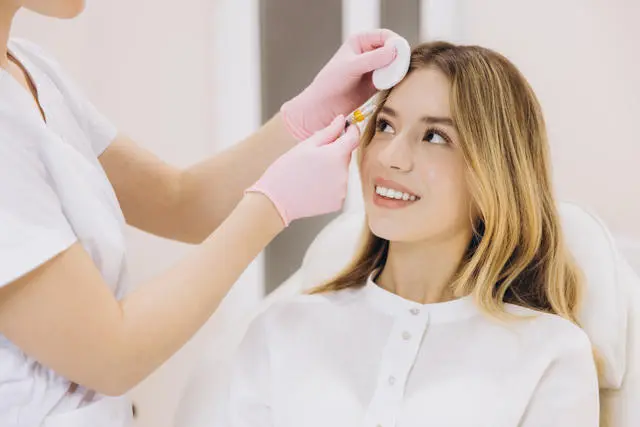
Botox Aftercare: What to Do (and What to Avoid) for Best Results
You just walked out of your appointment, and now you’re wondering, “Did I do everything right? Will it work? What happens next?” The good news is that the procedure itself is the hard part, and it’s already done. Botox aftercare is straightforward, and with just a few simple habits over the next few days, you can protect your results and help the treatment work exactly as intended.
The main rules are: don’t rub the treated area, skip alcohol and intense heat for 24 hours, stay upright for a few hours, and keep your follow-up appointment. That’s really the heart of it.
After Your Botox Treatment: The First Few Days
Botox works by relaxing specific muscles beneath the skin. After your injections, the product needs time to settle into those muscles and begin doing its job. This process takes a little time – most people start noticing results within 3 to 5 days, with full effects visible around the two-week mark.
Most people return to their normal lives after treatment. There’s no dramatic recovery period, no bandages, and no time off work required. You might notice some small bumps or redness at the injection sites. That’s completely normal and typically fades within 20 to 30 minutes.
The First 24 Hours Matter More Than You Think
The period right after your appointment is when you have the most influence over how your results turn out. Think of it as a small investment in the outcome you’re working toward.
Here’s a simple checklist to keep in mind:
Stay upright for at least 4 hours after your appointment. Lying down too soon can cause the Botox to migrate away from the intended area.
Skip intense exercise for the rest of the day. Heavy workouts increase blood flow and can cause the product to spread.
Don’t wear tight headbands or hats that press directly on your forehead.
Skip facials, face massages, and any skincare treatments for 24 hours.
Avoid any pressure on the treated areas: even resting your chin in your hands can make a difference.
It might feel like a lot to remember, but most of these are simply things you’d skip for one day. After 24 hours, the majority of these restrictions lift.
Avoid Rubbing the Treatment Area
This one matters more than it might seem. After your injections, rubbing or massaging the treated skin is one of the quickest ways to interfere with your results. The Botox is still finding its way into the targeted muscles, and physical pressure can push it into areas where you don’t want it, which can lead to uneven results or, in rare cases, temporary drooping of surrounding muscles.
This means no rubbing your forehead out of habit, no vigorous cleansing with a washcloth, and no lying face-down on a pillow for a few hours. Gentle is the word of the day.
Avoid Alcohol and Blood Thinning Supplements
Alcohol causes blood vessels to dilate, which increases the chance of bruising at the injection sites. The same goes for certain supplements and over-the-counter medications with blood-thinning properties (things like ibuprofen, aspirin (unless prescribed), fish oil, vitamin E, and ginkgo biloba).
If you can, try to avoid these for 24 to 48 hours after your treatment. If you’re taking a blood thinner prescribed by a doctor, never stop it without talking to your provider first. The goal here is simply to reduce any unnecessary bruising during the healing window.
Avoid Excessive Heat Exposure
Heat is one of the most overlooked factors in Botox aftercare. For the first 24 to 48 hours, you’ll want to avoid excessive heat in any form. This includes:
Hot showers or baths
Saunas and steam rooms
Hot tubs and heated pools
Sunbathing or tanning beds
Strenuous exercise that significantly raises your body temperature
Heat exposure increases blood flow to the face, which can lead to more swelling, increased bruising, and potentially uneven distribution of the product. Even something as routine as standing over a hot stove or spending time in direct sunlight can be enough to cause unnecessary inflammation during the first couple of days.
A lukewarm shower is completely fine. Just give the intense heat a brief pause while your treatment settles.
When Is It Safe to Drink Alcohol?
Most providers recommend you avoid alcohol for at least 24 hours before and after your treatment. Alcohol before your appointment can increase bruising during the injections themselves. After your appointment, it continues to pose a bruising risk while your skin is still recovering.
After that 24-hour mark, most people can drink alcohol again without issue. If you bruise easily or your provider gave you a longer recommendation, follow their guidance. A glass of wine at dinner the next night is generally well within the clear for most patients.
Protecting Your Botox Results Long-Term
Once the first 48 hours have passed, you’re largely in the clear. But there are a few ongoing habits that can help your results last as long as possible.
Sun protection is one of the most impactful things you can do. UV damage breaks down skin more quickly and can shorten the lifespan of your results. A broad-spectrum SPF 30 or higher, worn daily, goes a long way.
Staying hydrated and maintaining a consistent skincare routine also helps support the overall health and appearance of your skin between treatments.
Tips for Optimal Results
Use a gentle cleanser and moisturizer – nothing harsh or exfoliating for the first few days
Sleep on your back if possible for the first night
Stay consistent with follow-up treatments; spacing them out too long can reduce cumulative benefits
Avoid extreme facial expressions in the hours immediately after treatment (deep frowning, wide eye widening)
Your Follow-Up Appointment with Your Healthcare Provider
Most clinics schedule a follow-up appointment around two weeks after your treatment. This is a valuable visit because it gives your provider a chance to assess your results, make any minor touch-ups if needed, and answer any questions you have.
If something doesn’t look right before that two-week mark, don’t hesitate to reach out to your healthcare provider. Botox results that seem uneven or asymmetrical right after treatment often still need time to fully develop. Full effect isn’t always visible for 10 to 14 days. But if you notice anything unusual, like difficulty swallowing, unexpected drooping, or vision changes, contact your provider right away.
Schedule Your Botox Injections at VitaGrace Aesthetics
At VitaGrace Aesthetics, our team takes the time to understand your unique goals before we ever touch a syringe. During your consultation, we’ll walk you through exactly how Botox works with your facial muscles, what to realistically expect, and how our skin treatments can be combined for even more comprehensive care. Whether you’re targeting fine lines and wrinkles around your eyes, forehead, or mouth, we’ll build a treatment plan tailored to your desired outcome.
Our providers offer personalized advice at every step, so you leave not just with a more youthful appearance, but with the confidence that comes from feeling genuinely heard and cared for. Ready to take the next step? Book your appointment with VitaGrace Aesthetics today.
Conclusion
Getting the most out of Botox starts the moment you leave your appointment. Follow the post-treatment instructions provided by your aesthetician closely: avoid lying flat for at least 4 hours, skip vigorous exercise for the rest of the day, and, if needed, apply a cold compress gently to the injection sites to help prevent bruising and ease any mild swelling. You’ll also want to avoid consuming alcohol and hold off on blood-thinning medications unless your doctor has prescribed them.
You can wear makeup a few hours after treatment, but keep it light and avoid pressing on treated skin. Limit sun exposure in the first 48 hours, and ease back in with light exercise before returning to your full routine. As the botulinum toxin takes hold and Botox settles into the targeted muscles, following your provider’s instructions is what bridges the gap between a good result and a great one.
The effects typically continue to develop over the first two weeks, and most patients see their full results by the two-week mark. After this period, your skin should look smoother and more refreshed. However, pay attention to how your body responds. While rare, certain symptoms warrant prompt medical attention. If you notice muscle weakness beyond the treated area, difficulty breathing, or anything that feels out of the ordinary, contact your healthcare provider immediately.
When in doubt, reach out – your provider is always your best resource throughout the process.

About the Author
Krista Boyd

